Noah's Letters
Noah's Letters are the unsent correspondence Noah Calhoun wrote to Allie Nelson over two years after their summer romance, intercepted by Allie's mother Anne Nelson and hidden from her for decades. They function as a central symbol of lost time, suppressed love, and the class divide that kept the lovers apart, and their eventual return—alongside the letters Noah wrote throughout their marriage—becomes the emotional and narrative foundation of the novel's exploration of memory, devotion, and the possibility of miracles.
Origin and Interception
After Allie left New Bern at the end of the summer of 1932, Noah wrote to her for two years without receiving a single reply. He wrote dozens of letters, but Allie never saw them. Her mother, Anne Nelson, had been checking the mail and removing the letters without her knowledge. Anne later explained that she was trying to protect her daughter, believing it would be easier for Allie to let go of the relationship once she had left New Bern. She never understood how much Noah meant to Allie, and in her mind, hiding the letters was the best way to shield her daughter from a love she considered unsuitable due to class differences. Noah eventually wrote one final letter in March 1935—a goodbye letter—and forced himself to accept that the summer was all they would ever share.
The Goodbye Letter
The final letter, dated March 1935, was the one Noah wrote after two and a half years without a reply. In it, he told Allie that he couldn't sleep because he knew it was over between them, acknowledging that they came from different worlds but that she had taught him the value of love. He said he was not bitter, that he was secure in knowing what they had was real, and that if they ever saw each other again in their new lives, he would smile at her with joy and remember how they spent a summer learning from each other and growing in love. He ended with "I love you, Allie." This letter, along with all the others, remained unopened in Anne Nelson's possession for years.
Return and Revelation
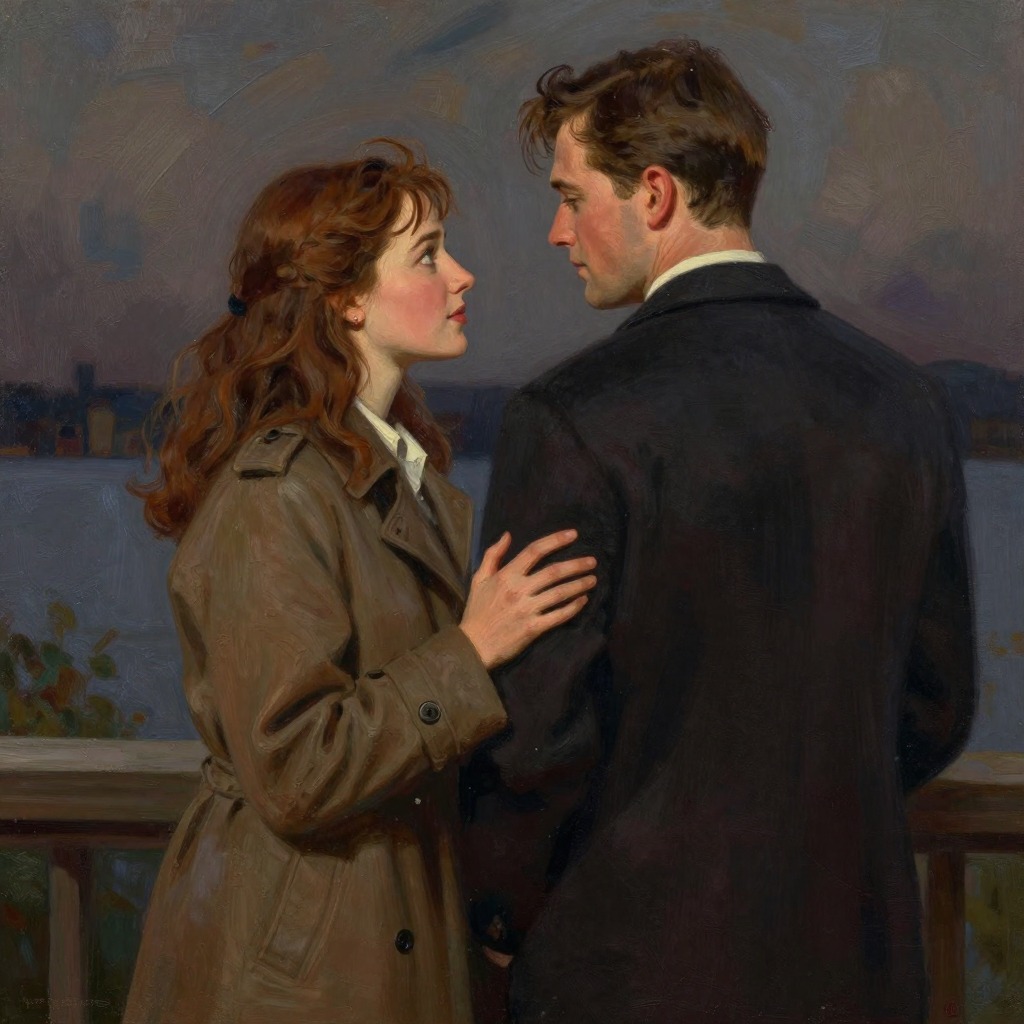
Decades later, during Allie's visit to Noah in October 1946, Anne Nelson arrived at Noah's house to warn Allie that her fiancé, Lon Hammond Jr., was on his way. Before leaving, Anne reached into her handbag and removed a bundle of letters held together with string, the envelopes old and slightly yellowed. She handed them to Allie, saying, "These are the letters that Noah wrote to you. I never threw them away, and they haven't been opened. I know I shouldn't have kept them from you, and I'm sorry for that." Allie took them, shocked, and ran her hand over them. Later, sitting in her car outside the inn, she untied the package and found the first letter Noah had written her. She began to open it but stopped, instead reaching for the last letter—the goodbye letter—and read it, learning for the first time that Noah had never stopped loving her and had written to her for years.
A Lifetime of Correspondence
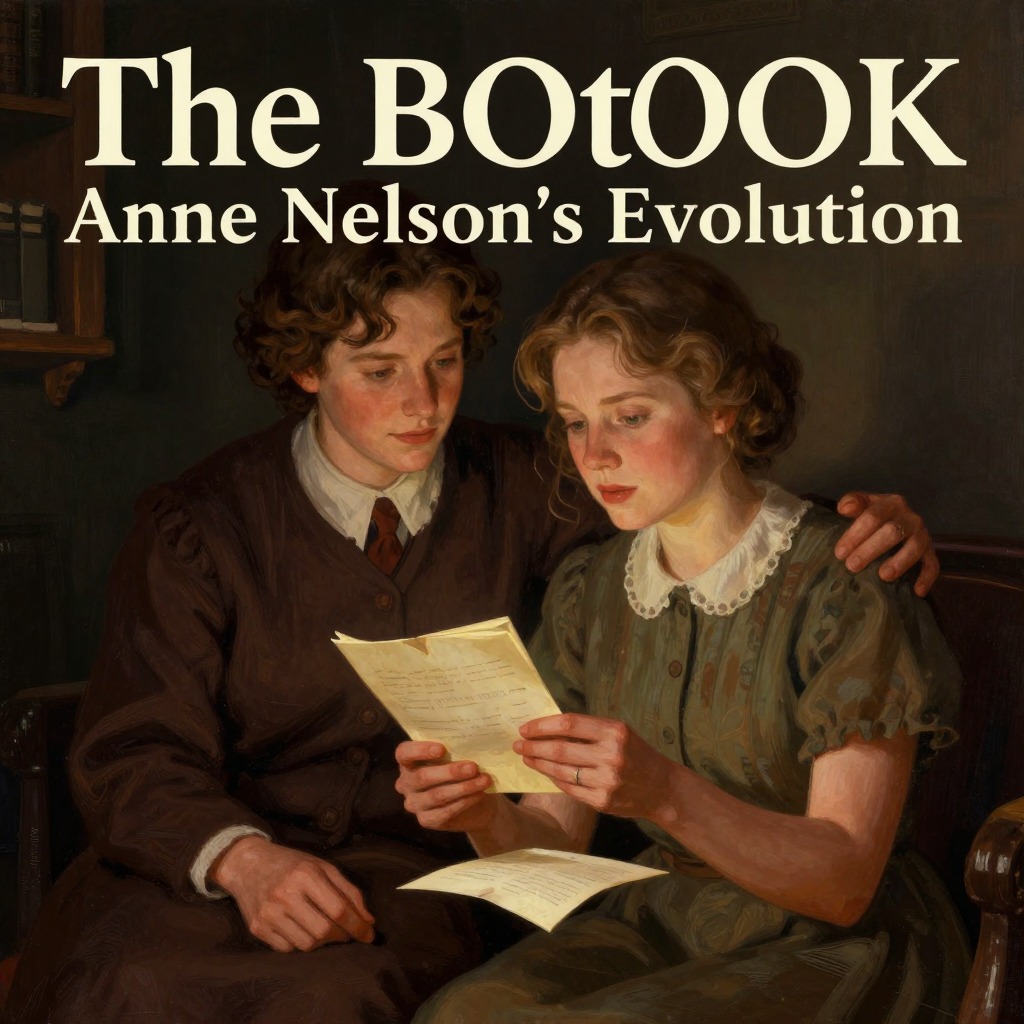
Noah and Allie's marriage produced a lifetime of letters that Noah kept and reread after her Alzheimer's diagnosis. He kept them in a stack, tied with a ribbon almost half a century old, and read them late at night when he couldn't sleep. The letters included those her mother had hidden so long ago and those from afterwards—a lifetime of letters professing his love. He read excerpts from their first anniversary, from a cold evening thirty-nine years ago when their youngest daughter sang off-key in a school Christmas show, and from after their son died, when he wrote that he would hold her and rock her and take her grief as his own. The last letter he wrote to her, which she read on their porch for the first time, told her that she was every reason, every hope, and every dream he'd ever had, and that no matter what happened to them in the future, every day they were together was the greatest day of his life.
Narrative and Thematic Significance
The letters serve as a tangible record of a love that survived separation, class prejudice, and time. They are the evidence that Noah's devotion was never abandoned, only hidden, and their return at the critical moment of Allie's choice between Lon and Noah provides the final push she needs to follow her heart. In the novel's present-day frame, the letters become a tool for Noah to sustain his own memory and hope. He reads them when he is in the mood, and they remind him of Allie on cold winter evenings, seated by a roaring fire with a glass of wine, reading the letters he had written to her over the years. They also serve as a contrast to the notebook itself: while the notebook is a story Noah reads aloud to Allie in the hope of triggering her memory, the letters are private, intimate artifacts that he keeps for himself, a source of comfort and continuity in the face of her progressive disease. The letters, like the notebook, represent the power of written words to preserve love and identity against the erosion of time and illness.